


Please Leave Us A Message
Privacy statement: Your privacy is very important to Us. Our company promises not to disclose your personal information to any external company with out your explicit permission.

Guangdong Dingxin Intelligent Technology Co.,Ltd


An automatic slotting machine is a critical piece of equipment in the corrugated packaging industry, designed to cut precise slots and score lines into cardboard sheets. This machinery transforms flat board into the structural components required for high-performance boxes, ensuring that your packaging meets exact dimensional specifications without manual intervention.
By automating the slotting process, manufacturers eliminate human error associated with manual cutting, resulting in consistent box strength and appearance. For procurement managers, this means reduced material waste, faster production cycles, and the ability to handle complex custom orders with ease. The integration of servo-driven technology allows for rapid adjustments between different box styles, maximizing uptime and throughput.
Guangdong Dingxin Intelligent Technology Co., Ltd. (DISG) brings over twenty years of specialized expertise in manufacturing intelligent machines for the corrugated boxes packaging industry. Our commitment to quality begins with rigorous research and development, where we invest significant resources to explore advanced technologies. This dedication ensures that our automatic slotting machines remain at the forefront of the industry, offering superior performance and reliability.
We understand that downtime translates directly to lost revenue. That's why our manufacturing processes prioritize durability and precision engineering. From the selection of high-grade steel components to the calibration of servo motors, every step is controlled to meet international standards. Our professional team combines deep technical knowledge with rich industry experience to deliver turnkey project solutions that are tailored to your specific production needs.
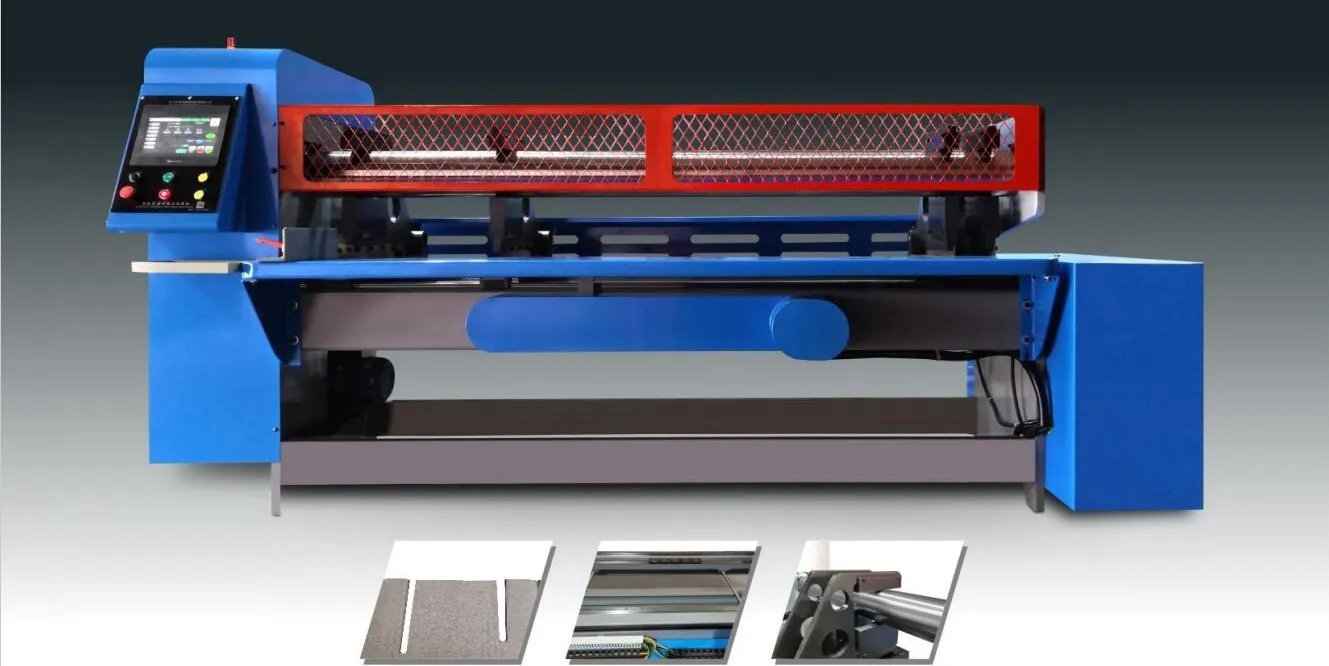
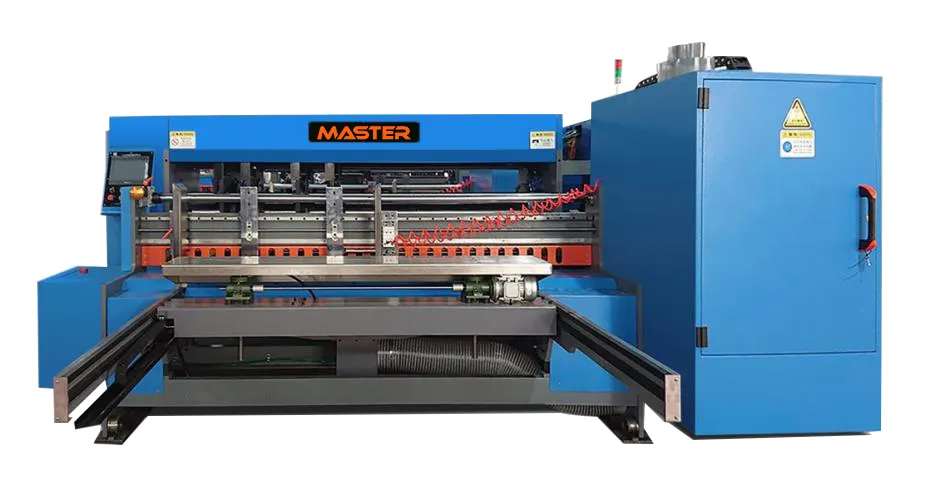
Selecting the ideal automatic slotting machine requires evaluating several key factors beyond basic functionality. First, consider the speed and efficiency of the machine. Modern servo-driven systems can change orders in just 30-50 seconds, significantly reducing setup time and allowing for smaller, more frequent batches without sacrificing output.
Next, assess the precision and versatility of the slotting mechanism. Look for machines that offer high-accuracy stitching and clean cuts without "fish tails" or burrs, which can compromise box integrity. Additionally, verify the machine's compatibility with various board types and thicknesses. A flexible solution that handles multiple product lines will provide a better return on investment than a single-purpose unit. Finally, evaluate the supplier's support capabilities, including after-sales service and spare parts availability.
Before finalizing your purchase of an automatic slotting machine, use this comprehensive checklist to ensure you select a solution that aligns with your operational goals and budget constraints.
Even the most robust industrial equipment can encounter issues. Understanding common problems with automatic slotting machines helps minimize downtime and maintain production quality. Here are frequent challenges and their typical causes.
If slot depths vary across the board, it may indicate worn cutting blades or improper calibration of the depth sensor. Regular maintenance and blade sharpening schedules can prevent this issue.
Jamming often occurs due to misaligned feed rollers or incorrect tension settings. Ensuring the machine is properly set up for the specific board thickness being processed is crucial.
Cracked or uneven scores can result from dull scoring wheels or mismatched wheel spacing. Adjusting the scoring pressure and replacing worn components restores optimal performance.
Servo errors may be triggered by electrical interference or loose connections. Checking wiring integrity and ensuring proper grounding can resolve many electronic faults.
When sourcing an automatic slotting machine, partnering with an experienced manufacturer like Guangdong Dingxin Intelligent Technology Co., Ltd. (DISG) offers distinct advantages. With over two decades specializing in intelligent machines for the corrugated boxes packaging industry, DISG provides proven expertise and reliable turnkey solutions.
DISG's long-standing presence in the market demonstrates stability and continuous innovation. Their portfolio includes advanced products like the Intelligent Folder Gluer Stitcher Machine, showcasing their capability to deliver high-efficiency carton making solutions.
Look for suppliers who utilize full servo drive systems and offer fast order changeovers (30-50 seconds). These features significantly boost productivity and reduce labor costs, providing a faster return on your investment.
Lead times vary depending on the complexity of the machine and customization requirements. Standard models may ship within 4-6 weeks, while fully customized turnkey solutions might take 8-12 weeks. It is advisable to discuss your timeline with the supplier during the quotation phase.
Yes, modern automatic slotting machines are designed to handle a range of board thicknesses. However, there are limits. Most machines can process standard corrugated boards from E-flute to B-flute. Always verify the maximum and minimum thickness specifications with the manufacturer before purchasing.
Servo-driven machines offer superior precision, speed, and flexibility. They allow for quick program changes and accurate control over slotting depth and position. Mechanical slotting machines are generally simpler and may have a lower initial cost but lack the agility and precision of servo systems for complex jobs.
Regular maintenance includes lubricating moving parts, checking belt tension, inspecting cutting blades for wear, and cleaning dust buildup. Following the manufacturer's maintenance schedule ensures longevity and consistent performance. Guangdong Dingxin Intelligent Technology Co., Ltd. provides detailed maintenance guidelines with every machine.
Most reputable suppliers, including DISG, provide comprehensive training for operators and maintenance staff. This typically covers machine setup, operation, safety protocols, and basic troubleshooting. On-site training is often available for larger installations.

Privacy statement: Your privacy is very important to Us. Our company promises not to disclose your personal information to any external company with out your explicit permission.
Fill in more information so that we can get in touch with you faster
Privacy statement: Your privacy is very important to Us. Our company promises not to disclose your personal information to any external company with out your explicit permission.