


Please Leave Us A Message
Privacy statement: Your privacy is very important to Us. Our company promises not to disclose your personal information to any external company with out your explicit permission.

Guangdong Dingxin Intelligent Technology Co.,Ltd


A flexo printer prefeeder is the critical entry component of a corrugated carton printing and slotting system. It serves as the mechanical bridge between your raw material storage and the high-speed processing units of the machine.
In modern packaging production, efficiency is determined by how smoothly materials flow into the press. The prefeeder’s primary function is to manage the stack of corrugated sheets, ensuring they are separated, aligned, and fed into the printing unit with precise timing. Without this automated handling, the synchronization required for high-speed flexographic printing would be impossible to maintain.
For procurement managers, understanding this component is vital because it dictates the maximum throughput of your entire production line. A reliable prefeeder reduces jams, minimizes waste during startup, and ensures that the expensive print cylinders engage with the board at the exact correct moment.
Guangdong Dingxin Intelligent Technology Co., Ltd. (DISG) specializes in the research and development of intelligent machines for the corrugated boxes packaging industry. With over twenty years of experience, DISG has built a reputation for manufacturing equipment that combines deep technical expertise with robust industrial design.
Our prefeeders are engineered to withstand the rigors of continuous 24/7 operation. We utilize high-grade steel components and precision-machined parts to ensure longevity. The manufacturing process emphasizes structural stability, which is essential for maintaining registration accuracy when feeding heavy corrugated boards at high speeds.
As a turnkey project solution provider, we ensure that our prefeeders are not just standalone units but integrated systems designed to communicate seamlessly with our folder gluer stitchers and slitter scorers. This holistic approach to manufacturing guarantees that every component contributes to overall line efficiency.
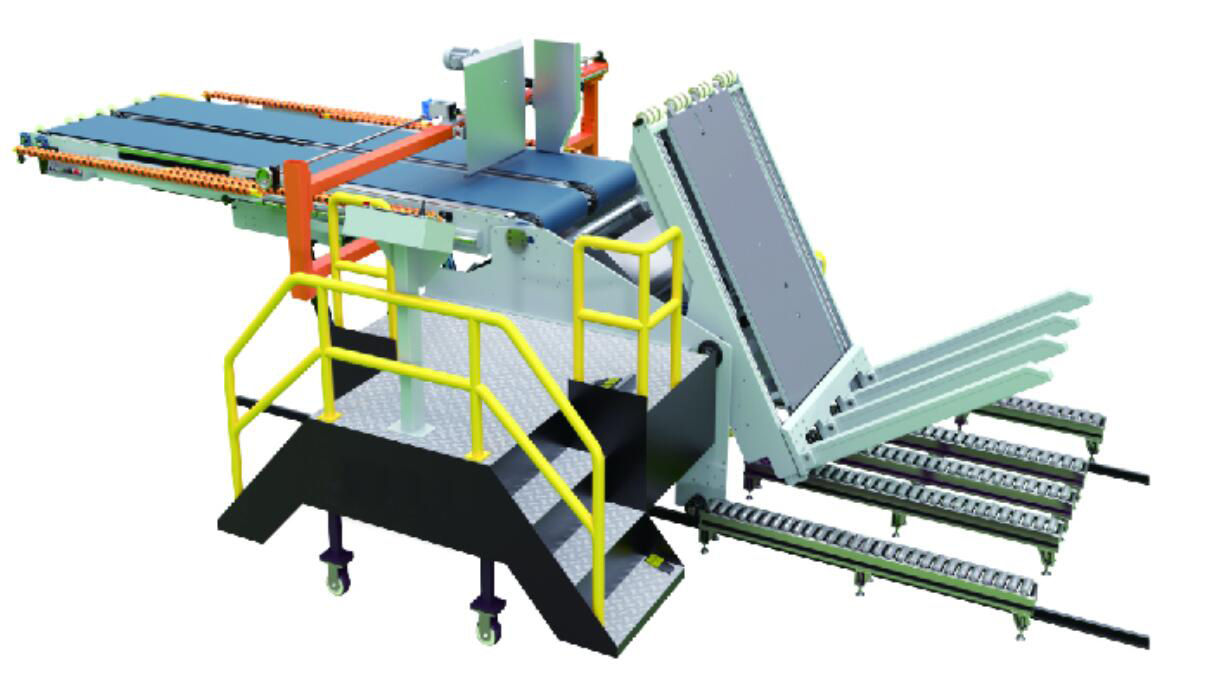
Evaluate the prefeeder's ability to handle the specific grammage and flute type of your corrugated board. Whether you are producing E-flute retail boxes or B-flute shipping containers, the suction cups and friction feed mechanism must be adjustable to prevent surface damage while ensuring consistent grip.
The prefeeder must match the peak speed of your flexo printer. Look for models equipped with servo-driven conveyors that offer precise speed control. This synchronization prevents bunching or stretching of the board, which is critical for maintaining print registration accuracy.
In a multi-product environment, quick changeovers are essential. The best prefeeders feature tool-less adjustments for board width and thickness. Rapid setup times directly reduce downtime between jobs, allowing your facility to respond faster to urgent orders.
Ensure the prefeeder can interface with your existing PLC or control system. Modern intelligent prefeeders offer diagnostic feedback and automated error handling, which simplifies troubleshooting and keeps your production line running smoothly without constant manual intervention.
Verify the build quality of the frame and moving parts. Ask for specifications on the lifespan of wear components like suction cups and rollers. Long-lasting parts lower your total cost of ownership.
Ensure the unit includes emergency stops, light curtains, or safety guards. Protecting your operators from high-speed machinery is a non-negotiable requirement for any modern factory.
Check if the supplier offers remote diagnostics, on-site training, and readily available spare parts. A robust support network minimizes the impact of potential breakdowns on your production schedule.
When sourcing a flexo printer prefeeder, it is often advantageous to partner with a manufacturer that offers a complete ecosystem of machinery. Guangdong Dingxin Intelligent Technology Co., Ltd. (DISG) exemplifies this approach.
DISC provides turnkey project solutions that integrate the prefeeder with their flagship Intelligent Folder Gluer Stitcher Machine. This integration allows for unified control and optimized workflow from raw board to finished carton. By choosing a single supplier for multiple machines, you simplify procurement, reduce compatibility risks, and streamline maintenance.
We recommend evaluating suppliers based on their R&D investment and track record. DISG invests significantly in advanced technologies, such as full servo drives, to ensure its equipment remains at the forefront of the industry. This commitment to innovation translates to higher efficiency and reliability for our global customers.
Symptom: Multiple sheets enter the printing unit simultaneously, causing jams or misalignment.
Cause: Often due to incorrect friction adjustment or worn-out suction cups.
Solution: Regularly inspect and replace suction cups. Adjust the friction wheel pressure to match the board thickness. Ensure the air blast system is functioning correctly to separate sheets.
Symptom: The printed image shifts slightly over time or across the batch.
Cause: Inconsistent feeding speed or belt slippage.
Solution: Check conveyor belt tension and alignment. Ensure the servo motor driving the prefeeder is properly calibrated and synchronized with the main printer encoder.
Symptom: Sheets enter the printer at an angle, leading to uneven margins.
Cause: Misaligned side guides or uneven suction cup distribution.
Solution: Verify that the side guides are parallel to the direction of travel. Check for wear on the guide rails and adjust the suction cup array to ensure even lifting force.
Suction cups are consumable parts. Depending on usage intensity and board type, they typically last between 3 to 6 months. Inspect them monthly for cracks, flattening, or loss of elasticity. Replacing them proactively prevents double-feeding issues.
Yes, most modern prefeeders can handle recycled board, but it may require more frequent maintenance. Recycled board often has more dust and inconsistent surface texture, which can affect suction grip. You may need to adjust the friction settings more frequently and clean the suction cups more often.
While capacity varies by model, generally, maintaining a stack height between 500mm and 1000mm ensures consistent gravity-assisted feeding. Too low a stack may cause feeding interruptions as the lift table rises, while too high a stack can increase the risk of bottom-sheet damage or instability.
Synchronization is achieved through the main control panel. Typically, you will need to set the "lead-in" distance and speed ratio via the PLC interface. It is recommended to perform a test run with scrap board to fine-tune the timing until the transfer is smooth and jitter-free.

Privacy statement: Your privacy is very important to Us. Our company promises not to disclose your personal information to any external company with out your explicit permission.
Fill in more information so that we can get in touch with you faster
Privacy statement: Your privacy is very important to Us. Our company promises not to disclose your personal information to any external company with out your explicit permission.