


Please Leave Us A Message
Privacy statement: Your privacy is very important to Us. Our company promises not to disclose your personal information to any external company with out your explicit permission.

Guangdong Dingxin Intelligent Technology Co.,Ltd
Procurement buyers often face specific challenges when sourcing manual strapping tools. This guide addresses the most common questions regarding durability, material compatibility, and operational efficiency to help you make informed decisions.
Manual strapping tools generally fall into two categories: hand tensioners and hand cutters. Hand tensioners apply tension to the strap and seal it using a friction weld or metal buckle. Hand cutters are designed specifically for severing the strap after tensioning. For heavy-duty applications, we recommend a combination tool that integrates both functions to streamline your workflow.
Tool selection depends heavily on the strap material. Steel strap requires specialized high-tension hand tensioners capable of applying significant force. Polypropylene (PP) and polyester (PET) straps require different tension settings and sealing mechanisms. Using the wrong tool can result in loose bundles or damaged equipment. Always verify tool compatibility with your specific strap type before purchasing.
Manual strappers offer superior portability and lower upfront costs, making them ideal for irregularly shaped packages or low-volume operations. Semi-automatic machines provide consistent tension and speed but require more space and maintenance. If your production volume exceeds 50 packages per hour, consider upgrading to semi-automatic equipment to reduce labor fatigue.
Regular maintenance ensures longevity and consistent performance. Key tasks include cleaning debris from the feed mechanism, lubricating moving parts as specified by the manufacturer, and inspecting blades for dullness. A well-maintained manual strapper can last for years without major repairs, protecting your investment.
A manual strapper, also known as a hand-held strapping tool, is a portable device used to secure loads using plastic or steel straps. Unlike automated systems, these tools rely on human power to tension and seal the strap, offering flexibility for various packaging scenarios.
The primary function is to create tight, secure bundles that withstand transit stresses. Whether securing cardboard boxes, palletized goods, or heavy industrial products, manual strappers ensure load stability while minimizing packaging material waste.
These tools are essential in industries where automation is impractical due to product size, shape, or variable production volumes. They bridge the gap between simple hand-tied methods and fully automated packaging lines.
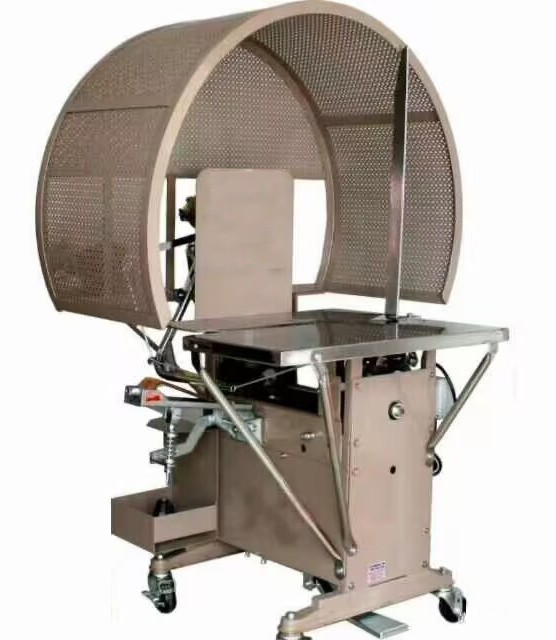
Manufacturers of professional-grade manual strappers adhere to strict quality control protocols to ensure durability and reliability. High-quality tools are constructed from hardened steel components and reinforced polymer bodies to withstand daily industrial use.
Key quality indicators include:
Rigorous testing procedures simulate thousands of cycles to validate performance before shipment, ensuring each tool meets industry standards for safety and efficiency.
Selecting the optimal manual strapper involves evaluating several critical factors related to your specific packaging requirements. The right choice balances cost, efficiency, and ease of use.
Ensure the tool is compatible with your existing strap inventory. PP straps require lighter tension than PET or steel. Using a multi-purpose tool can simplify inventory management but may compromise performance on specialized materials.
Heavy-duty loads demand higher tension capabilities. Check the maximum tension output (measured in Newtons or Pounds) to ensure it matches your load security needs. Under-tensioned straps can lead to package failure during transit.
For high-volume environments, lightweight designs with ergonomic handles significantly reduce worker strain. Look for tools with non-slip grips and balanced weight distribution to improve productivity and safety.
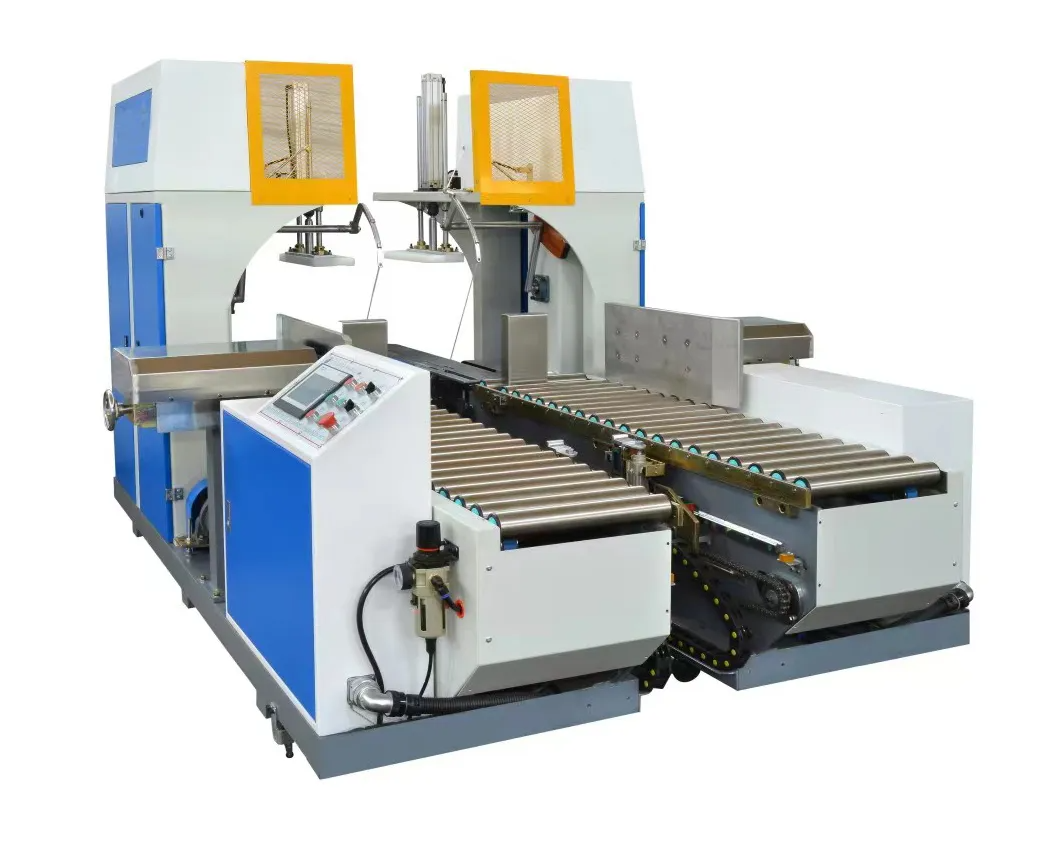
Use this checklist to evaluate potential suppliers and products before finalizing your procurement decision.
When selecting a supplier for manual strapping tools, prioritize partners who demonstrate technical expertise and reliable service networks.
Look for suppliers who offer detailed technical specifications and application guidance. Their ability to recommend the right tool for your specific load and strap type indicates a deeper understanding of your needs.
Responsive customer service is crucial for resolving issues quickly. Ensure the supplier provides clear warranty terms, accessible technical support, and timely delivery of replacement parts.
Efficient logistics networks ensure timely delivery of your orders. Suppliers with established global shipping capabilities can minimize downtime and keep your packaging operations running smoothly.
Understanding common pitfalls can help you avoid costly errors and improve overall packaging efficiency.
Loose straps are a frequent issue caused by worn tension springs or improper tool usage. Regular calibration and operator training can resolve this problem, ensuring secure bundling every time.
Jamming often occurs due to debris accumulation or incorrect strap feeding. Cleaning the feed mechanism regularly and using high-quality, defect-free straps can significantly reduce jamming incidents.
Weak seals can lead to package failure. This is often caused by dirty sealing jaws or incompatible strap materials. Maintaining clean sealing surfaces and verifying material compatibility are key preventive measures.
Repetitive motion injuries can reduce productivity. Investing in ergonomic tools with lightweight designs and comfortable grips helps mitigate this risk, promoting a healthier and more efficient workforce.

Privacy statement: Your privacy is very important to Us. Our company promises not to disclose your personal information to any external company with out your explicit permission.
Fill in more information so that we can get in touch with you faster
Privacy statement: Your privacy is very important to Us. Our company promises not to disclose your personal information to any external company with out your explicit permission.