


Please Leave Us A Message
Privacy statement: Your privacy is very important to Us. Our company promises not to disclose your personal information to any external company with out your explicit permission.

Guangdong Dingxin Intelligent Technology Co.,Ltd


A PP baler machine is an industrial compaction device designed specifically to compress polypropylene (PP) strapping and other plastic waste into dense, manageable bales. Unlike general-purpose waste compactors, these machines are engineered to handle the high tensile strength and elasticity of PP bands commonly used in packaging industries.
For procurement managers, investing in a dedicated PP baler machine solves two critical operational problems: it drastically reduces the volume of recyclable materials, lowering disposal costs, and creates a standardized product stream that can be sold back to recycling facilities as raw material. This turns waste management from a cost center into a potential revenue stream while keeping your production floor clean and compliant with safety regulations.
Our PP baler machines are built with reinforced steel frames and precision-cut blades, ensuring they can handle continuous operation in high-volume environments without structural fatigue or blade dulling.
Minimize labor costs with our automated tying mechanisms. These systems ensure consistent bale size and density, reducing the time operators spend securing each bundle and increasing overall throughput.
We prioritize operator safety with dual-control start buttons, emergency stop switches, and protective guarding. This reduces workplace accidents and ensures compliance with OSHA and international safety standards.
Every PP baler machine leaves our facility after rigorous quality assurance testing. We understand that downtime costs money, which is why we focus on reliability and durability in every component.
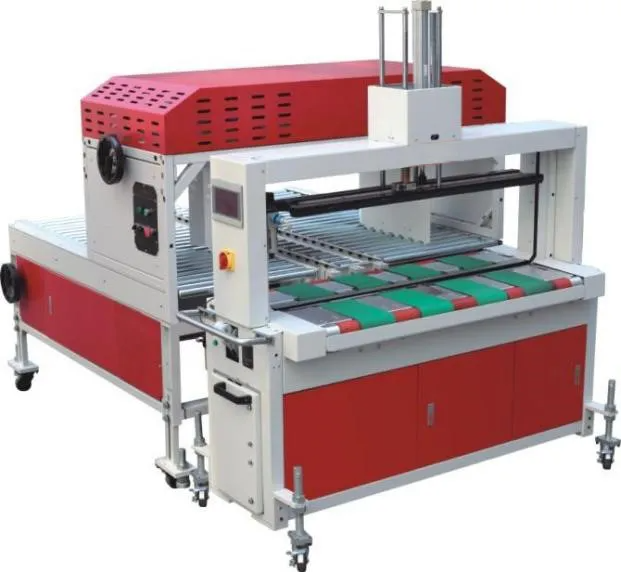
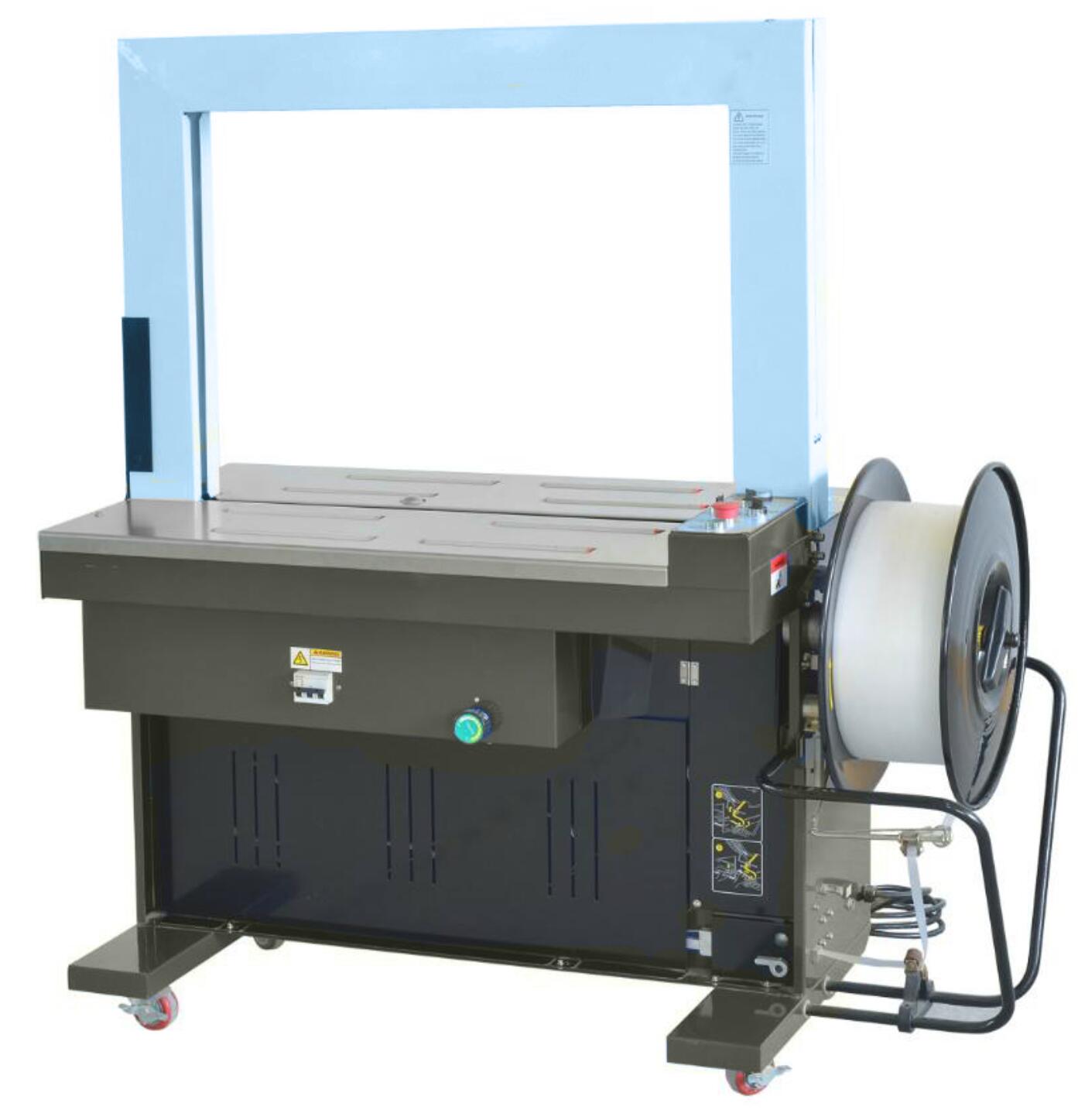
Selecting the correct automatic PP strap baler requires matching the machine's capacity to your specific waste generation patterns. A mismatch can lead to bottlenecks or unnecessary capital expenditure.
Bale Density Requirements: Determine how tightly you need to compress PP straps. Higher density means more efficient shipping but requires more powerful hydraulic systems.
Automation Level: Semi-automatic models require manual feeding but offer lower upfront costs. Fully automatic models integrate directly into conveyor lines, maximizing labor efficiency for large-scale operations.
Power Supply Compatibility: Ensure the machine supports your facility's voltage (220V/380V/440V) and phase requirements to avoid costly electrical upgrades.
Does the machine handle only PP, or is it versatile enough for PET and nylon straps? Versatility adds long-term value if your supply chain changes.
Check for local service availability, spare parts inventory, and remote diagnostic capabilities. Downtime during peak season is unacceptable.
Look for energy-efficient motors and standby modes. Lower power consumption directly impacts your operational overhead over the machine's lifespan.
Can the chamber size or compression stroke be adjusted? Flexible bale sizes help optimize truck loading space and reduce freight costs.
Accessible lubrication points and modular components simplify daily upkeep, extending the machine's operational life and reducing repair complexity.
Verify CE, UL, or ISO certifications. Certified machines ensure compliance with local workplace safety laws and protect your liability insurance rates.
Without proper management, loose PP straps create significant hazards in warehouses and factories. Understanding these common issues highlights the necessity of a dedicated industrial PP baler solution.
Loose straps accumulate under machinery and on walkways, creating invisible trip hazards for floor staff. Regular baling removes these risks immediately.
Straps can entangle in conveyor belts and robotic arms, causing frequent jams and production stoppages. Centralized collection and baling keeps the workflow clear.
Uncompressed bundles take up valuable warehouse square footage. Baling reduces volume by up to 60%, freeing up space for revenue-generating inventory.
Best for large-scale packaging plants generating over 500kg of strap waste daily. Offers maximum throughput with minimal operator intervention.
Ideal for small to medium enterprises with limited floor space. Easy to move between production lines and requires less initial investment.
Recommended for mixed-waste facilities. Handles PP, PET, and even textile scraps, providing a comprehensive waste management solution.
Essential for bundling off-cuts and excess strapping generated during high-speed carton sealing processes.
Helps distribution centers manage the massive volume of discarded strapping from outbound shipments, keeping docks clean.
Pre-processes loose PP waste into dense bales ready for extrusion, improving the selling price of recycled materials.
Manages bundling waste from garment factories, where PP straps are frequently used to secure bulk fabric rolls.
Handles heavy-duty strapping waste from chemical drum and IBC tank packaging lines, often requiring robust machines.
Compacts strapping waste from paper reel handling and finished goods palletizing, maintaining strict hygiene standards.
Standard PP baler machines typically produce bales weighing between 10kg and 50kg, depending on the compression settings and bale chamber size. Heavier bales are more efficient for shipping to recyclers but may require stronger tying mechanisms.
Many modern PP baler machines are designed to be versatile and can handle both PP and PET strapping. However, PET is denser and stronger, so verify the machine's tonnage rating to ensure it can compress PET effectively without strain.
Automatic PP balers vary in footprint, but most standard models require approximately 1.5m x 1.5m of floor space plus additional room for bale discharge and operator access. Compact semi-auto models can fit in spaces as small as 1m x 1m.
Regular maintenance includes weekly lubrication of moving parts, monthly inspection of hydraulic seals and blades, and quarterly checks of electrical connections. Most manufacturers provide detailed maintenance schedules to ensure optimal performance.
Installation typically requires a qualified electrician for power connection and a technician for hydraulic setup. Most suppliers provide on-site installation services or comprehensive remote guidance to ensure the machine is calibrated correctly before operation.

Privacy statement: Your privacy is very important to Us. Our company promises not to disclose your personal information to any external company with out your explicit permission.
Fill in more information so that we can get in touch with you faster
Privacy statement: Your privacy is very important to Us. Our company promises not to disclose your personal information to any external company with out your explicit permission.